In the age of online tutorials and self-help guides, the allure of do-it-yourself (DIY) projects is stronger than ever. From crafting furniture to fixing electronics, there’s a wealth of information available to empower homeowners to take matters into their own hands. However, when it comes to plumbing repairs, the stakes are higher, and the consequences of DIY attempts can often be disastrous.
Plumbing is a complex system of pipes, valves, and fixtures that work together to ensure the smooth flow of water in and out of your home. While some minor issues may seem simple to fix, such as a leaky faucet or a clogged drain, the reality is that even seemingly straightforward problems can quickly escalate into costly disasters when tackled by inexperienced hands.
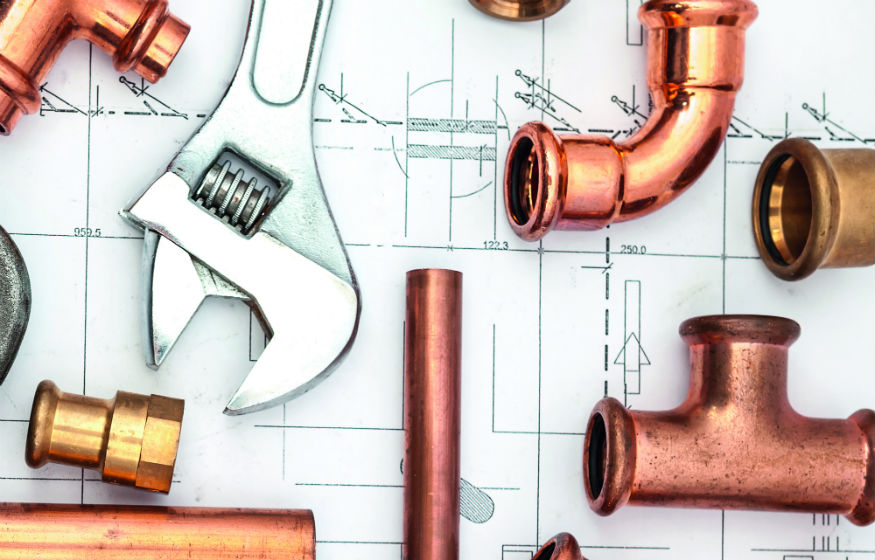
One of the most common DIY plumbing mistakes is using incorrect tools or techniques. Without the proper knowledge and equipment, homeowners risk causing further damage to their plumbing system. For example, attempting to clear a clogged drain with a chemical drain cleaner may seem like a quick fix, but it can actually corrode your pipes and lead to leaks or even pipe bursts. Similarly, using excessive force to tighten or loosen fittings can strip threads or crack pipes, causing leaks and water damage.
Another pitfall of DIY plumbing repairs is the lack of expertise in diagnosing underlying issues. What may appear to be a simple leak could be a symptom of a more serious problem, such as a hidden pipe fracture or a compromised sewer line. Without the proper training and diagnostic tools, homeowners may miss these red flags, allowing the issue to worsen over time and potentially causing extensive damage to their property.
Moreover, DIY plumbing repairs often lack the necessary permits and compliance with building codes. Professional plumber Eltham is well-versed in local regulations and standards, ensuring that any repairs or installations meet safety requirements and are in compliance with the law. Ignoring these regulations not only puts your property at risk but can also result in fines or legal liabilities down the line.
Perhaps the most significant downside of DIY plumbing repairs is the potential for personal injury or harm. Working with pressurized water lines, electrical components, or hazardous chemicals without proper training and safety precautions can lead to accidents ranging from minor burns and cuts to serious injuries or even fatalities. In addition to physical risks, DIY plumbing mishaps can also pose health hazards due to exposure to mold, bacteria, and sewage contamination.
In light of these risks, it’s clear that DIY plumbing repairs are not worth the potential consequences. Instead of attempting to tackle plumbing issues on your own, it’s wise to enlist the expertise of a licensed and experienced professional plumber. Not only will they have the knowledge, skills, and tools to address the problem correctly the first time, but they can also provide valuable advice on preventative maintenance to avoid future issues.
In conclusion, while the appeal of saving money and feeling accomplished by tackling DIY projects around the house is understandable, it’s essential to recognize the significant risks associated with attempting plumbing repairs without professional assistance. The potential consequences of DIY plumbing mistakes far outweigh any perceived benefits.
Firstly, the financial implications of DIY plumbing errors can be substantial. While you might hope to save money upfront by avoiding professional fees, the cost of repairing damages caused by mistakes can quickly escalate. From water damage to structural issues, the aftermath of a botched plumbing repair can result in expensive repairs and restoration work that far exceed the initial cost of hiring a professional plumber.
Furthermore, property damage resulting from DIY plumbing attempts can extend beyond just the immediate area of the repair. A small leak or improper installation can lead to water infiltration into walls, floors, and ceilings, causing rot, mold growth, and structural weakening. These hidden damages may not become apparent until they’ve already caused significant harm, necessitating extensive and costly repairs.
Moreover, the risk of personal injury associated with DIY plumbing repairs cannot be overstated. Working with pressurized water lines, electrical components, and hazardous chemicals without the necessary training and safety precautions can lead to accidents ranging from minor cuts and burns to serious injuries or even death. Protecting your safety and well-being should always take precedence over attempting to save a few dollars by DIY-ing a plumbing repair.
By investing in professional plumbing services, homeowners can ensure that their plumbing system is properly maintained and repaired by skilled and experienced professionals. Not only does this guarantee the longevity and integrity of your plumbing system, but it also provides peace of mind knowing that the job has been done correctly and safely.
In the long run, entrusting your plumbing repairs to professionals can actually save you time, money, and headaches. Rather than risking costly mistakes and potential hazards by attempting DIY repairs, investing in professional plumbing services can help you avoid future problems and ensure that your home’s plumbing system operates efficiently and effectively for years to come. Ultimately, the benefits of hiring a professional plumber far outweigh any short-term savings or sense of accomplishment that DIY repairs may provide.